

Earth Acupuncture
The Ancient Secret to Harmonizing Your Home and Life

How to read the hidden energies beneath your feet
Look to the Dog, Not the Architect
Before the Berbers of the desert set up a tent, they wait and watch their dogs. They understand that a dog won’t settle where its life force is drained. This isn’t superstition; it’s an ancient survival skill passed down through generations, people who knew something we’ve mostly forgotten: the Earth itself is alive and speaks to those who know how to listen.
Our Earth is a living, breathing system. Beneath the soil you walk on, there is an underground world of air, gas, and water in constant motion. As these forces move and interact, they create disturbances and currents that can either support life on the surface or quietly threaten it.
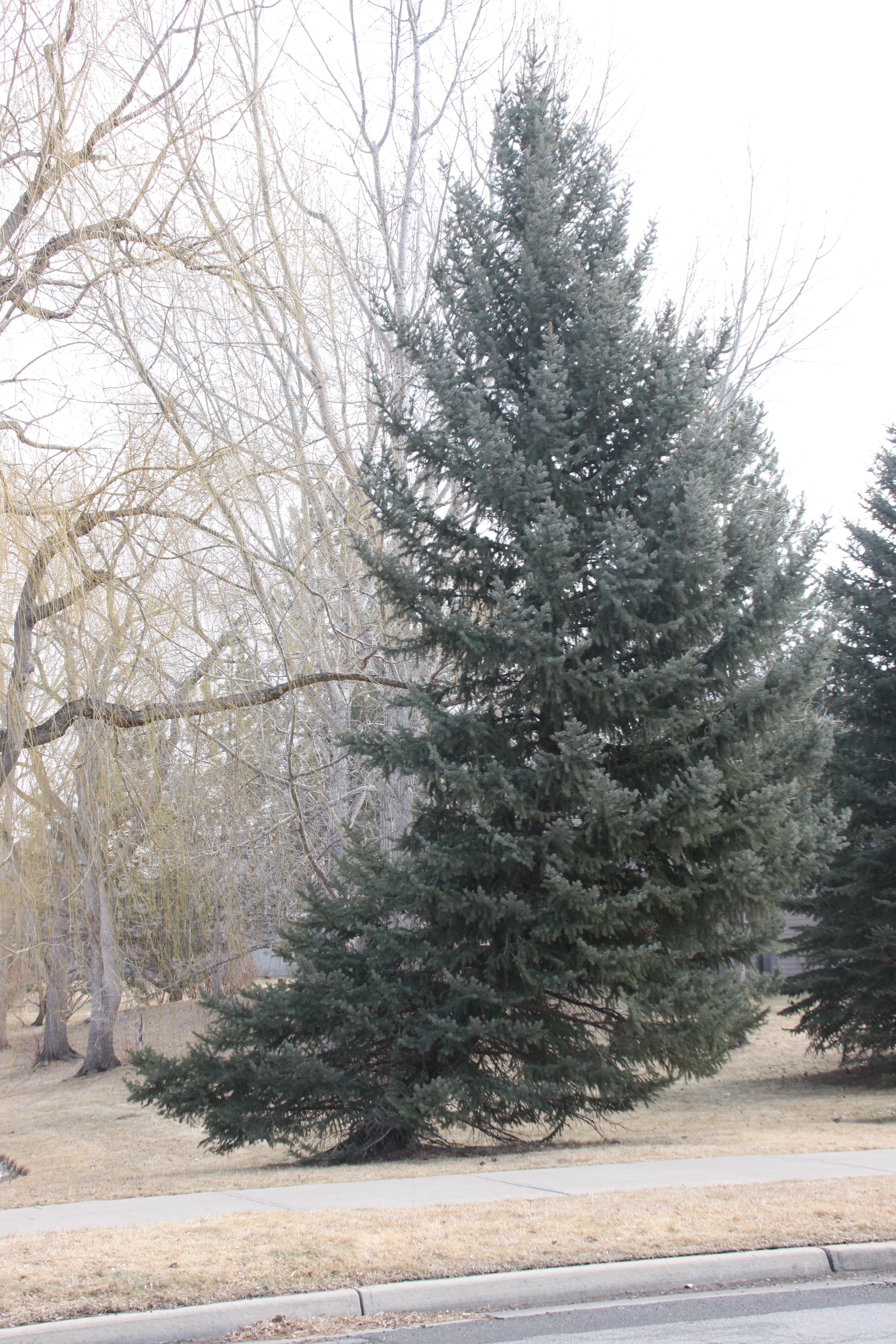
In the West, we’ve forgotten how to read these signs. But the trees haven’t. Have you ever noticed a hedge with a mysterious dead patch running through it? Or a tree trunk that leans as if it’s trying escape from something? You may be observing the Earth’s “breath”: invisible currents that shape life above them.
The Earth’s Hidden Circulatory System: Faults
The Earth’s crust is in constant motion, shifting vertically and horizontally. These movements create cracks known as faults. Within faults, currents of air and gas generate heat or energetic disturbances that can be felt at the surface. These currents can disrupt life on the Earth’s crust.
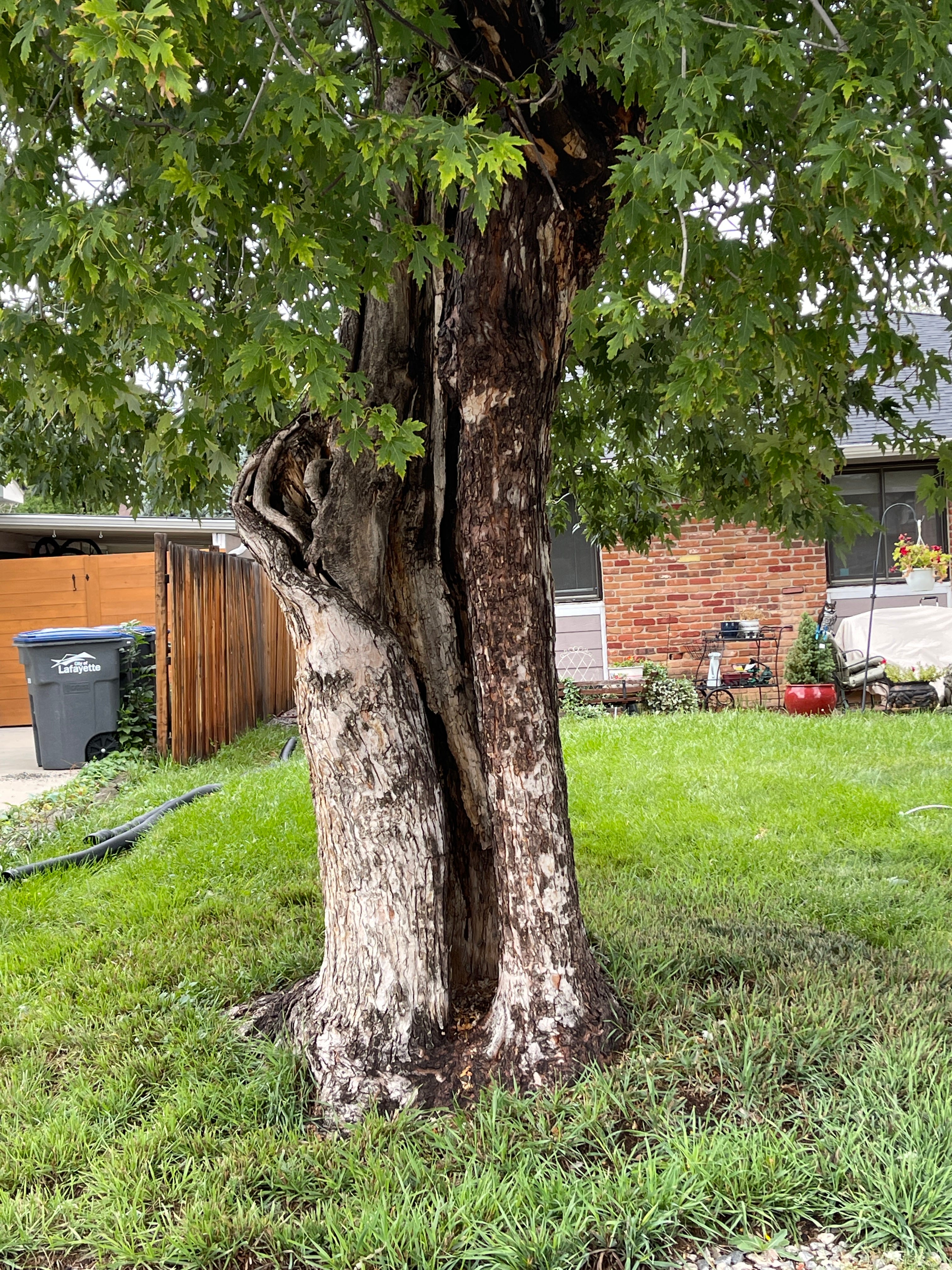
You can often notice the effects if you know where to look. Hedges may break their line, with drier branches concentrated in a specific strip. Trees may develop cracks or holes in their bark, sometimes on the side closest to the fault. Many animals avoid sleeping over faults, instinctively choosing places that feel stable and nourishing.
These earth energies can also disturb parts of our bodies associated with air, such as the lungs, intestines, and stomach. Over time, observant individuals noticed patterns: certain faults seemed to impact specific bodily functions more than others.
In the Master Builder tradition, faults are described as having different “colors,” each with distinct effects. Yellow faults disturb the stomach and liver. Red faults disrupt the small intestines and heart. Gray faults are described as drying to the lungs. Black faults are considered especially harmful and carcinogenic.
This is the negative side of faults. The positive side is that, at certain sacred sites, faults were intentionally used to provoke shifts in the body’s energy system and consciousness. In other words, the same forces that can destabilize a home can, in the right context, become catalysts for transformation.
The Second Current: Water Veins, the Blood of the Earth
Faults are only part of the story. The second major consideration is water.
Water in clouds carries cosmic information from the sun, moon, and stars, then falls to the ground and travels deep into the Earth. Some of this water enters faults and forms underground streams, often called the blood currents of the Earth. There are small, medium, and even large subterranean rivers flowing within the planet.
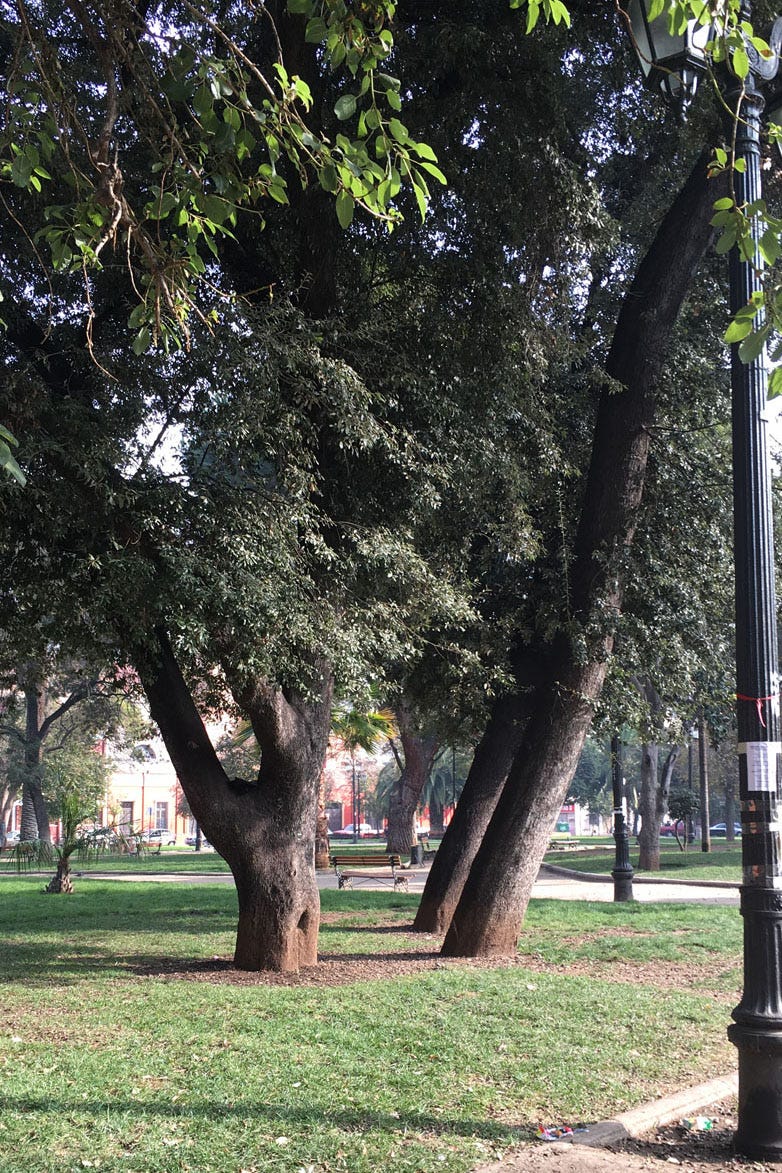
These waters also influence the surface. They can cause a depression in the local magnetic field and disturb vegetation, trees, animals, and people. Sometimes, you can see this in trees that lean or grow twisted instead of standing upright. It can appear as a slow-motion attempt to escape an invisible force.
People have long linked water veins to disruptions in the endocrine system. According to German physicist Robert Ëndros, sitting or sleeping above a water vein can significantly increase thyroid activity while depressing other endocrine organs like the pineal gland, hypothalamus, thymus, adrenals, and sexual glands. Whether you see this as subtle energy, a biofield, or environmental stress, many people simply report that some places restore them, while others drain them.
Vortexes, Dragons, and the Names We Gave the Invisible
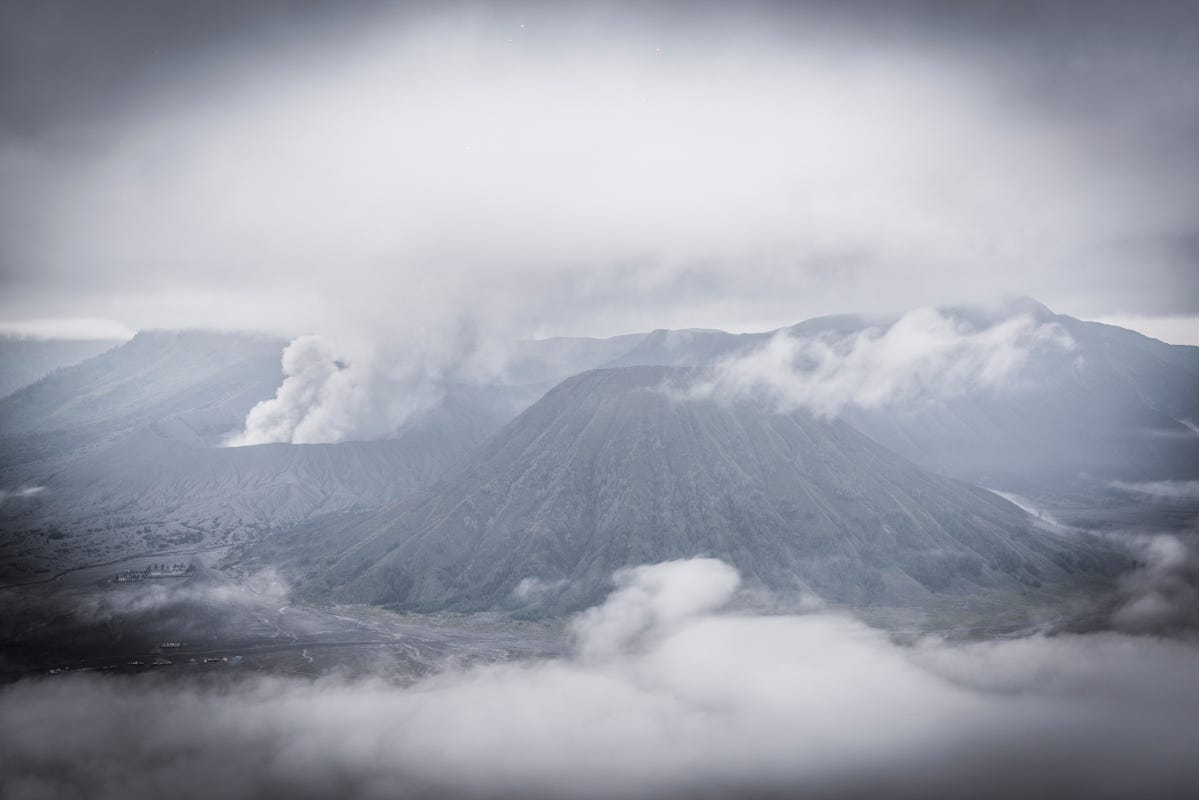
Faults and water veins affect the surface in a rhythmic manner, similar to a breath rising and falling. As the currents swirl upward, they can create vortex-like effects on the surface.
Across many traditions, sensitive people trained to recognize underground air and water flows identified these currents. They often named them after animals: dragons, serpents, snakes. These words weren’t just poetic; they tried to describe something dynamic, alive, and powerful beneath the land.
Ancient authors provided clues for finding these hidden elements. Vitruvius, the Roman architect, wrote that to locate water, you should observe the earth at dawn. In that light, you might see vapor lines, like mist tracing the water’s presence from below. Others taught that water veins could be found by observing where trees lean, as if subtly pushed away from an underground current. In many communities, these skills weren’t optional. People needed water to survive. Those who could find it were known as shamans, Zahoris in Spain, or Sorciers in France.
As the ability to sense water and faults developed, a deeper understanding also emerged: some currents were beneficial, while many were harmful. If you spend too long directly above the wrong type of circulation, you might start feeling unwell because it disrupts normal bodily functions.
Once people realized that these circulations could be harmful, their next question was how to prevent them. Animals became the teachers.
Animals like boars, deer, horses, llamas, sheep, and dogs choose good sleeping spots that are free of negative earth energies and where they can recharge. The ancient Romans left a flock of sheep in a specific area for a year before building a village, then examined the sheep’s entrails for signs of disease to determine if the land was healthy.
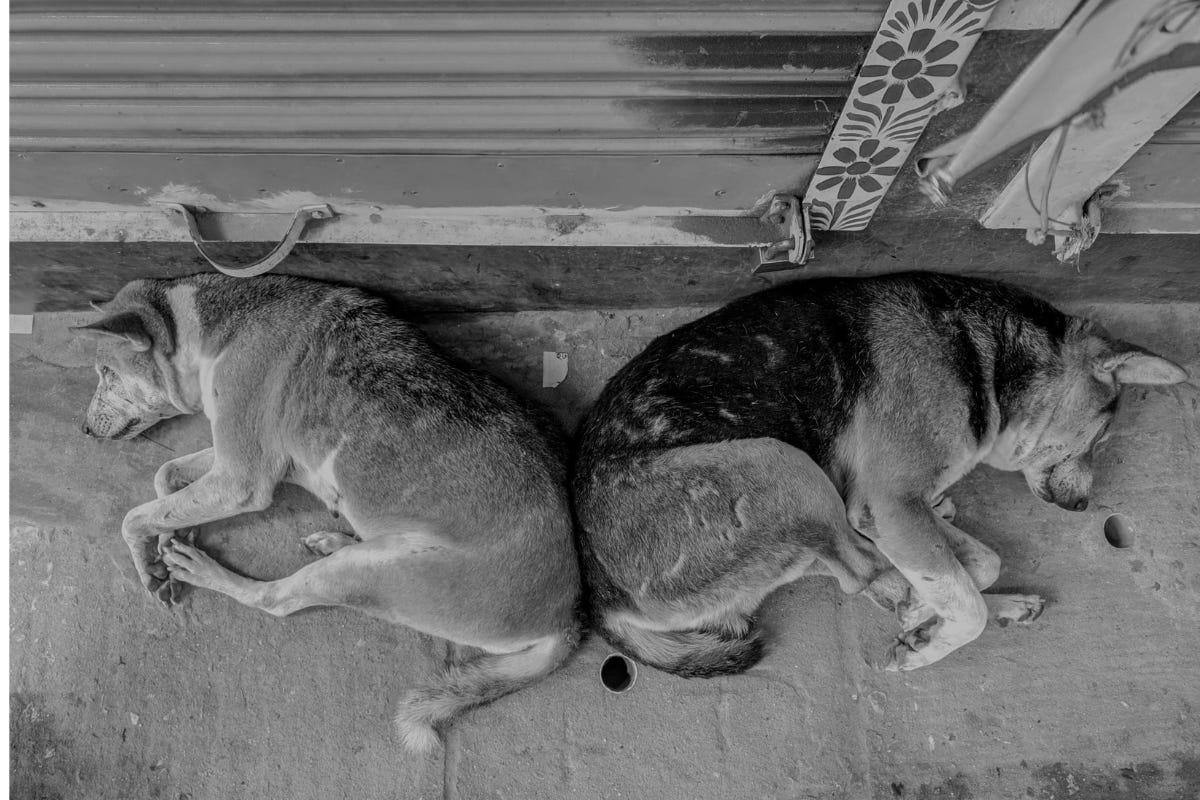
Of course, if you want to build a village, you will rarely find a large area completely free of circulating energies. The key is to choose the best zones and then correct or harmonize the most disruptive points.
Earth Acupuncture: The Land Can Be Treated
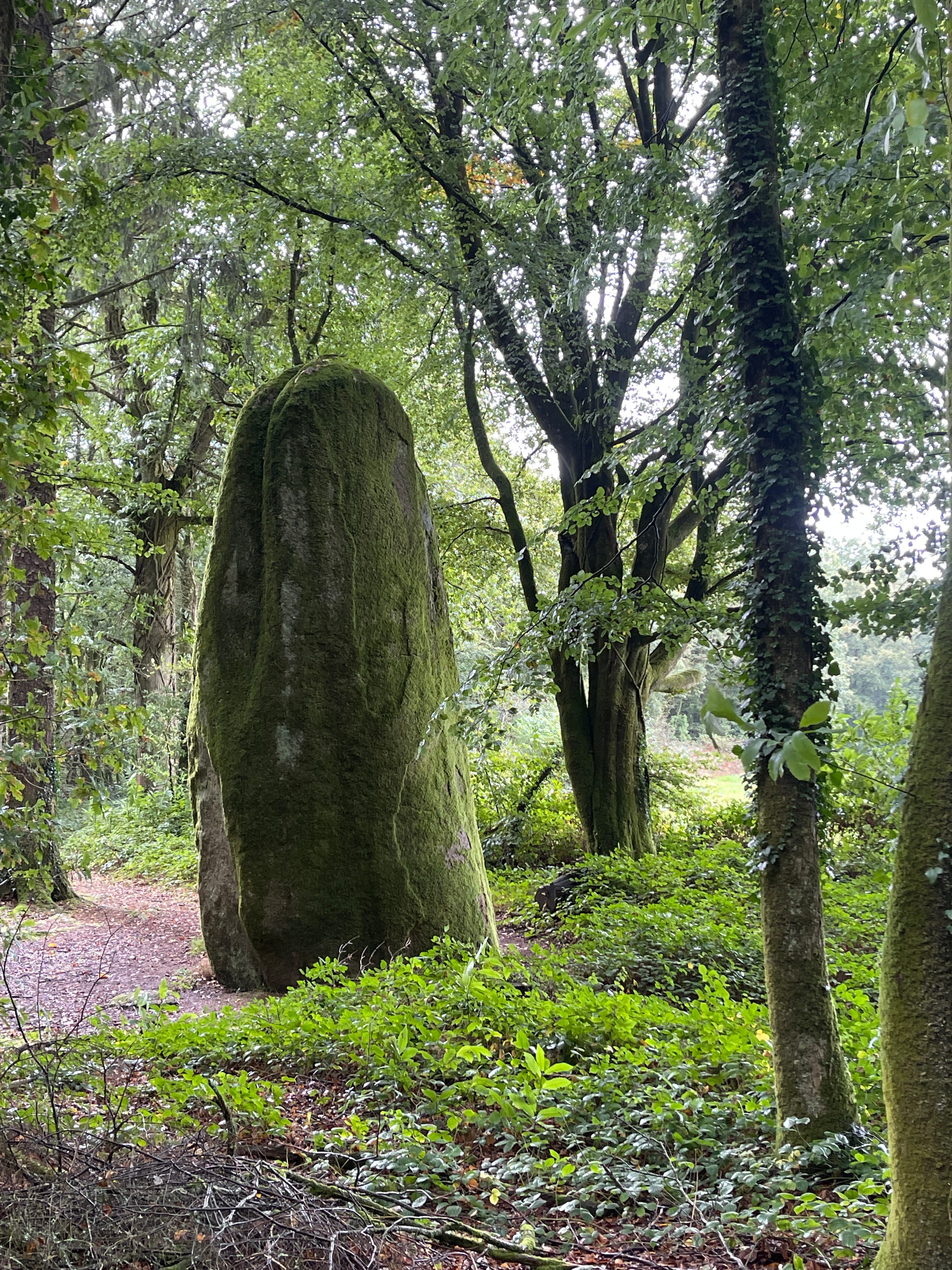
In various parts of the world, early methods now called earth acupuncture appeared. Standing stones or menhirs were among the first megaliths built by Neolithic communities. In places like Brittany, France, people learned they could reduce lightning strikes by placing a standing stone at a key water vein crossing, releasing excess electrical energy, and stabilizing the area. These stones were not just random monuments; they were energetic interventions.
The tall standing stones scattered across the Brittany countryside are all positioned over a crossing of water veins. Their harmonizing effects can be felt from a great distance.
In other regions, such as China and India, practitioners used standing stones, poles, and later stupas to balance magnetic fields. This was also described as closing doors or portals, places where “demon energies” could emerge. In a modern context, you might say that these traditions used architecture and placement to stabilize chaotic or harmful site energies. In India, Nepal, Tibet, and Bhutan, many stupas were constructed specifically to control or pacify difficult earth energies.
To build a stupa in this tradition, practitioners first find a portal or vortex, often at a crossing of high-quality water, sometimes described as miraculous. Then, they place a large stick or pole in the center of the water-vein intersection, creating an acupuncture point. After this step, the spot becomes a harmonic point with specific energetic qualities. In the Master Builder tradition, these are described in colors ranging from crystalline to golden to violet. The stupa is then built over it, expanding the effect through solar geometry and sacred design.
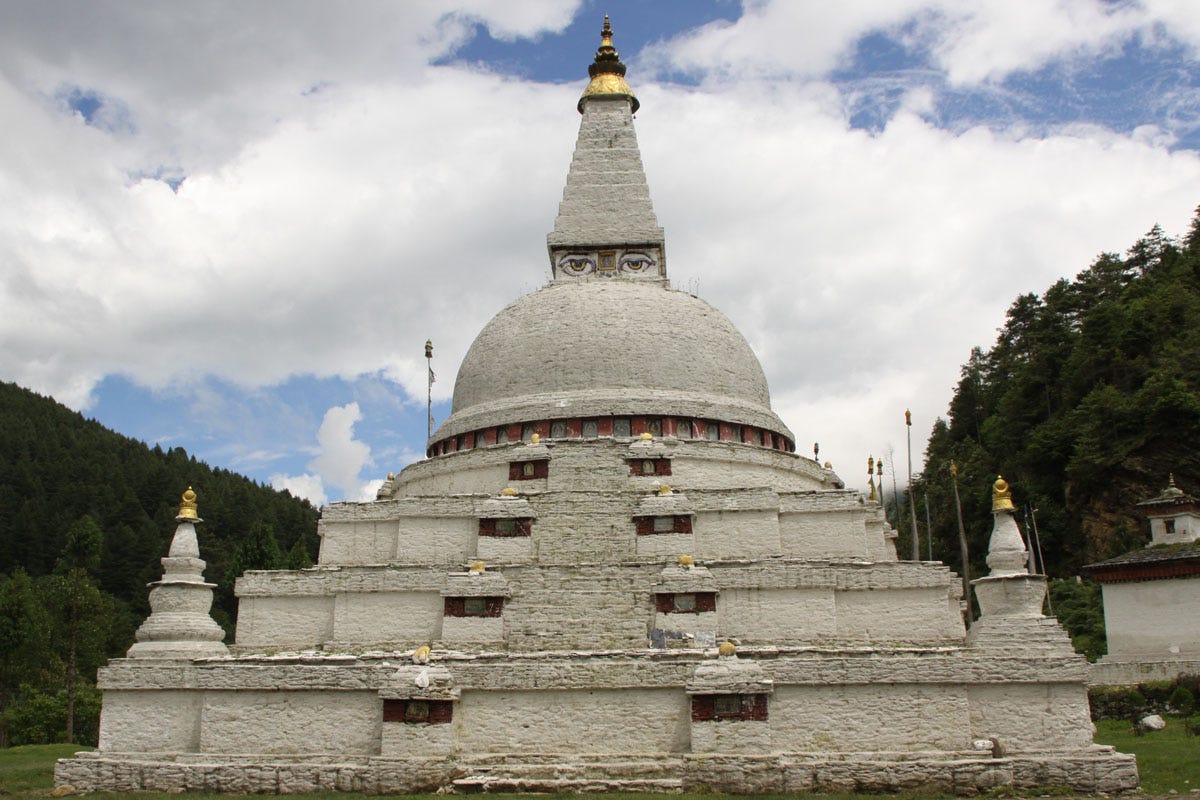
Over time, this technique of placing a stone or a pole into the earth at a harmonic crossing became a standard method for harmonizing land. It was also incorporated into practices such as Vastu and Feng Shui to balance homes and built environments.
The Modern Return: Learning to Sense and Harmonize
Earth acupuncture is no longer the domain of shamans, Zahoris, and Sorciers. Today, people can learn to locate water veins and faults, identify their crossings, and create corrective points that harmonize homes, land, and the surrounding environment.
Training mainly involves learning to sense the different energies in your body. Water, faults, and vortexes each feel distinct and register differently. A key skill is distinguishing between a place that feels stable and balanced and one that feels draining or chaotic. This sensitivity is why these methods were once limited to specialists, but it is also why they can be learned: the instrument is your own body.
What’s Next: A New Online Solar Geometry Certification (Coming Soon)
A new online Solar Geometry Certification will be launching soon. Participants will learn how to locate water veins and faults, identify crossings, perform earth acupuncture, and harmonize their homes and land using principles that connect site energy with solar and sacred geometry.
If you’ve ever felt that one corner of your house supports deep rest while another leaves you feeling unsettled, you are already aware of the language of place. The next step is learning to interpret it accurately and to respond with intention.
Thank you- this was very , very good. Is the on-line certification course that you mentioned an in-depth study ? I know that a large part of the training comes from a "hands on approach. Will there be an opportunity for an in person training as well ?